
The words of the prophets / Are written on the subway walls / And tenement halls / And whispered in the sounds of silence
Simon and Garfunkel, The Sound of Silence
At one time or another, every religious person has probably has likely had a wall of some kind built up around them. You can probably think of a few off the top of your head. In my religion, the Church of Jesus Christ of Latter-day Saints, a wall that was historically built up was the Missouri Extermination order, a law created in the 1800s that legalized the expulsion and murder of any “Mormon” in the state. Today, Jewish and Islamic communities in Palestine/Israel war over complex walls they have built around each other. And the list goes on.
In the Western world, the conflict that freely comes to mind with this topic is that of World War II and the Holocaust. Nazi Anti-Semitism (as well as homophobia, ableism, xenophobia, etc.) built walls around targeted communities that closed in, killing the innocent and generating worldwide trauma that the human race may never recover from.
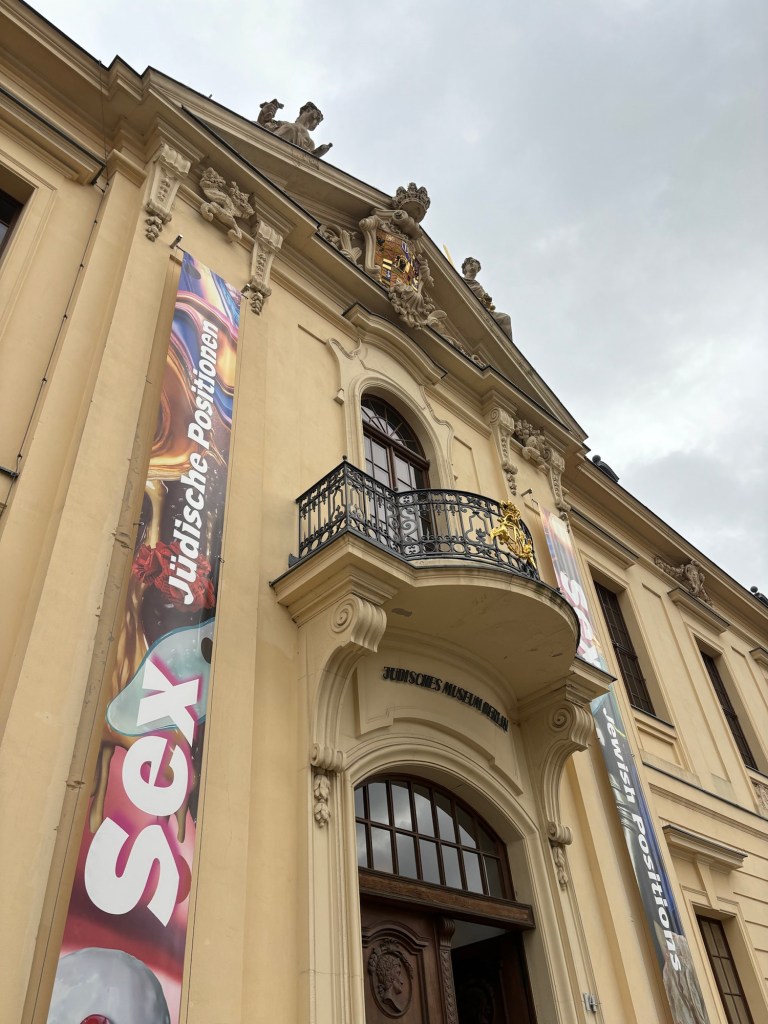
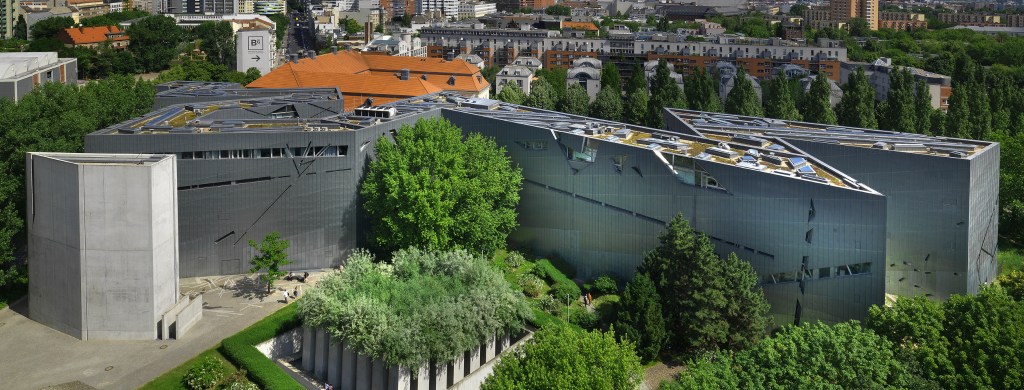
Visiting the Jewish Museum in Berlin was a special experience for me in this regard. It’s impossible to capture in a picture the storytelling of these walls. The architecture guided, yet confused. Disorienting angles taught me about the walls of exile that Jews have faced over thousands of years, particularly during the Holocaust. Stark, concrete walls protruded at angles that made me feel trapped. Light filtered in dimly, leaving me searching for anything or anyone. But, due to the way the walls were built, there was nothing solid to be found.
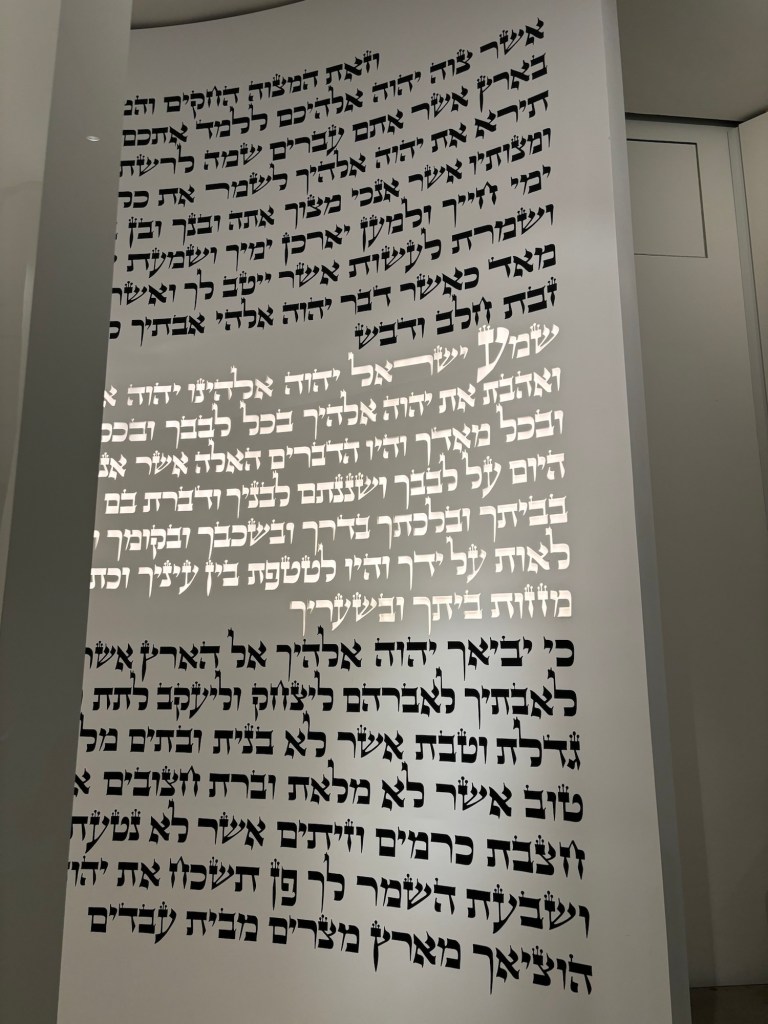
The walls in the upper floors changed in tone. They turned into the curving paper of the Torah scroll, musical metal chains, and portraits of influential Jews. To me, this was evidence that even when we cannot control where, how, and when walls are built up against us, through positive community action, we can always change them.
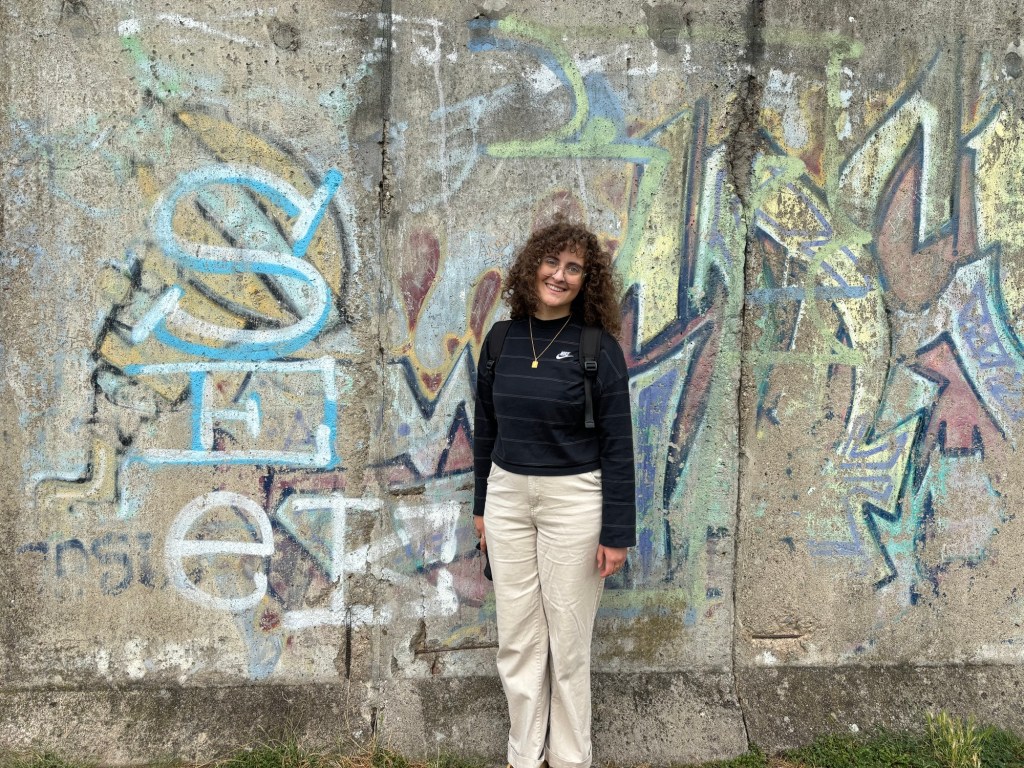
I saw further evidence of this when I visited the Berlin Wall Memorial. Though this isn’t an overtly religious site, it is a symbol of unification. Where the wall still stands, artwork and words adorn nearly every inch of what used to be a terrifying symbol of separation. Berlin has made this wall into a landmark on their journey towards a better tomorrow.
I apologize for this post’s brevity; it’s been a long day, and gathering my thoughts is proving difficult. I am interested to hear your thoughts on religious barriers and how we can overcome them. Please share them here! I will cover more on this topic in the future.
The Church of Jesus Christ of Latter-day Saints
Culturally called the “Mormon Church,” The Church of Jesus Christ of Latter-day Saints prefers its full title to emphasize its Christian beliefs. Believe that God has called a modern-day prophet to restore the Jesus Christ’s Church, which was corrupted. Teachings include increasing focus on the Savior, caring for the poor, ending personal conflict in lives, and strengthening families.
“Jesus Christ’s Church Is Restored.” The Church of Jesus Christ of Latter-day Saints.(www.churchofjesuschrist.org/welcome/restored-church-of-jesus-christ?lang=eng)
 Hallow
Leave a comment