
I’m Nobody! Who are you?
Emily Dickinson, I’m Nobody! Who are you?
Standing right next to something huge is always a cool experience, so much so that people like to travel to them. I’ve been visiting a lot of big things, both natural and manmade, and I’ve been thinking about why this experience is something that people enjoy so much.
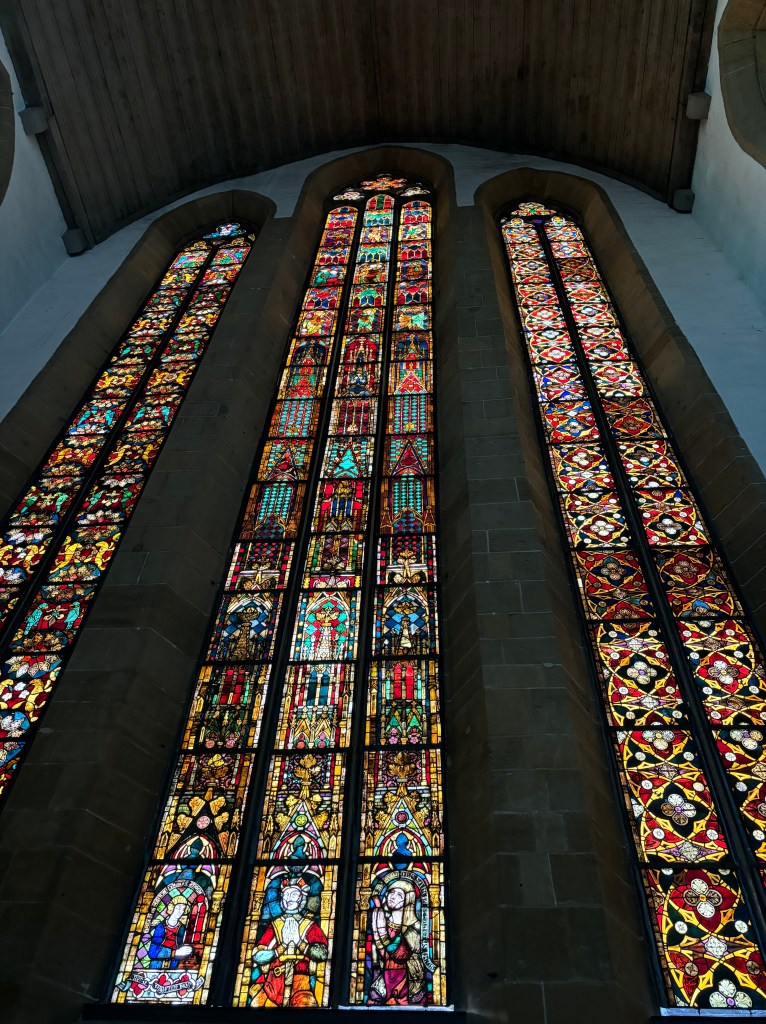
I don’t claim to know exactly why we like to visit large things; I guess they are just inherently cooler than small things. But why do we think religious buildings should be big?
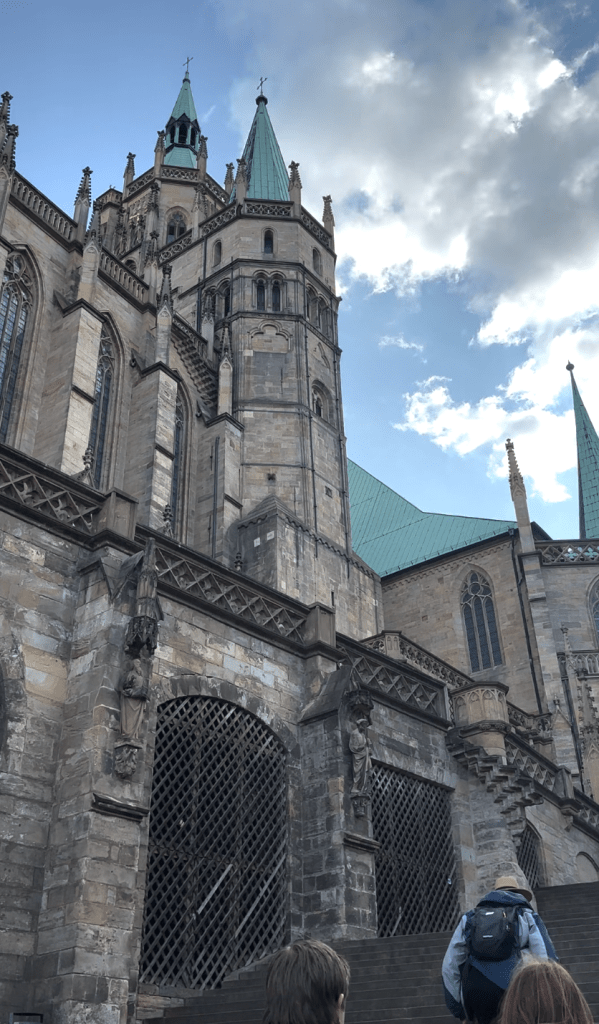
In all seriousness, I’ve been thinking a lot about the efforts that went into building religious centers around the world. For example, small villages across Europe often feature a large cathedral or other religious space, built hundreds and hundreds of years ago. When thinking about the huge amounts of resources that go into making these spaces, you can’t help but think of the sacrifices that everyday people made in order to make them as grand as possible. Why would they do that?
Of course, there’s the idea that sacrificing resources to the divine is worship. This is exemplified in the third Islamic Pillar of Zakat, meaning almsgiving. In an act of powerful faith, Muslims are asked to sacrifice 2.5% of their net worth each year to give back to the community. This isn’t done as a show of wealth or power, but as a way to glorify what is truly important to them. By sacrificing for Allah, they profess their faith more completely.
The same is true of a struggling community in early history choosing to give what little they had to have a place to worship. Not every big house of worship was created from these small communities, but those cathedrals are especially impressive. Because the people didn’t just give a bit, they gave everything. They didn’t just want a room, they wanted a place worthy of their God.
My main thesis of this entire blog is that sacrificing for something is what makes it holy. And these grand houses of faith are incredibly holy.
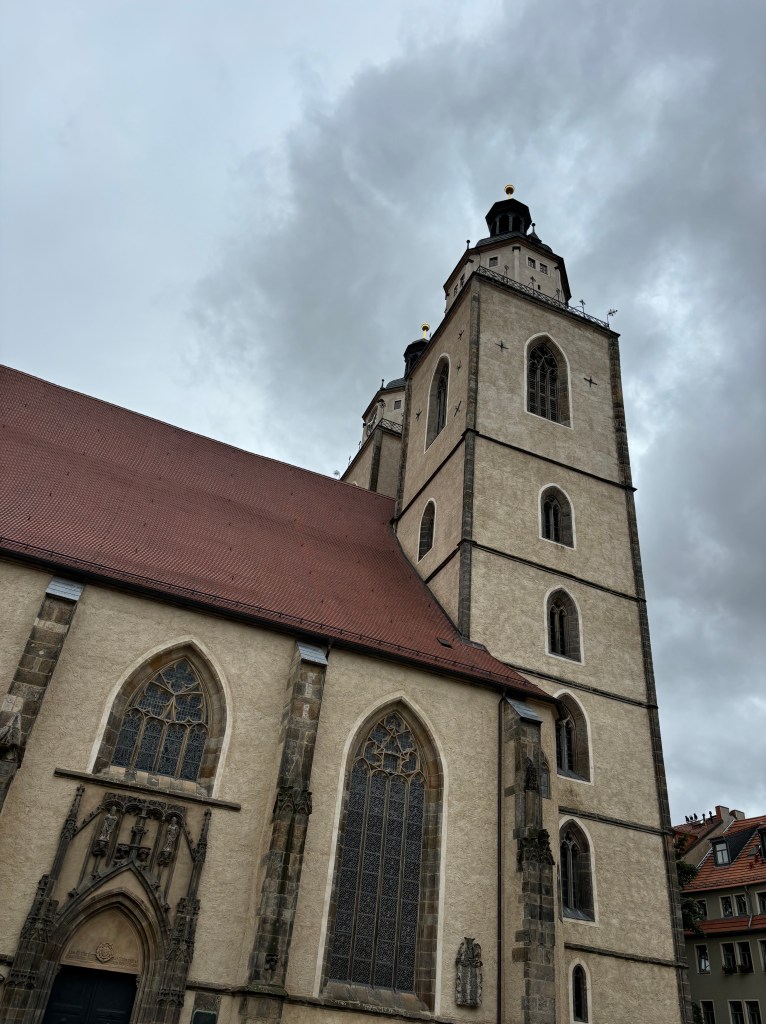
Aside from sacrifice, however, I’ve been wondering if the size of cathedrals and other places of worship also has something to do with the intended effect. I mean, if all that was needed was a place big enough to house a large congregation, lots of benches and a simple covering would have done the trick. Why did the ceilings soar and decor get complex as these places developed?
I think that being in a place so much bigger than ourselves does something to us. It reminds us how small we really are. So often in life, we can allow our personal situations and problems to be bigger than they actually are. But when standing in a cathedral where the organ music vibrates to your very core, you feel very insignificant indeed.
The feeling of being small is something we chase as human beings, evidenced by our desire to see places like the Grand Canyon or Mount Everest. Why? It might have something to do with reminding ourselves that we are small, and something else is bigger. What is bigger than us can symbolize the divine.
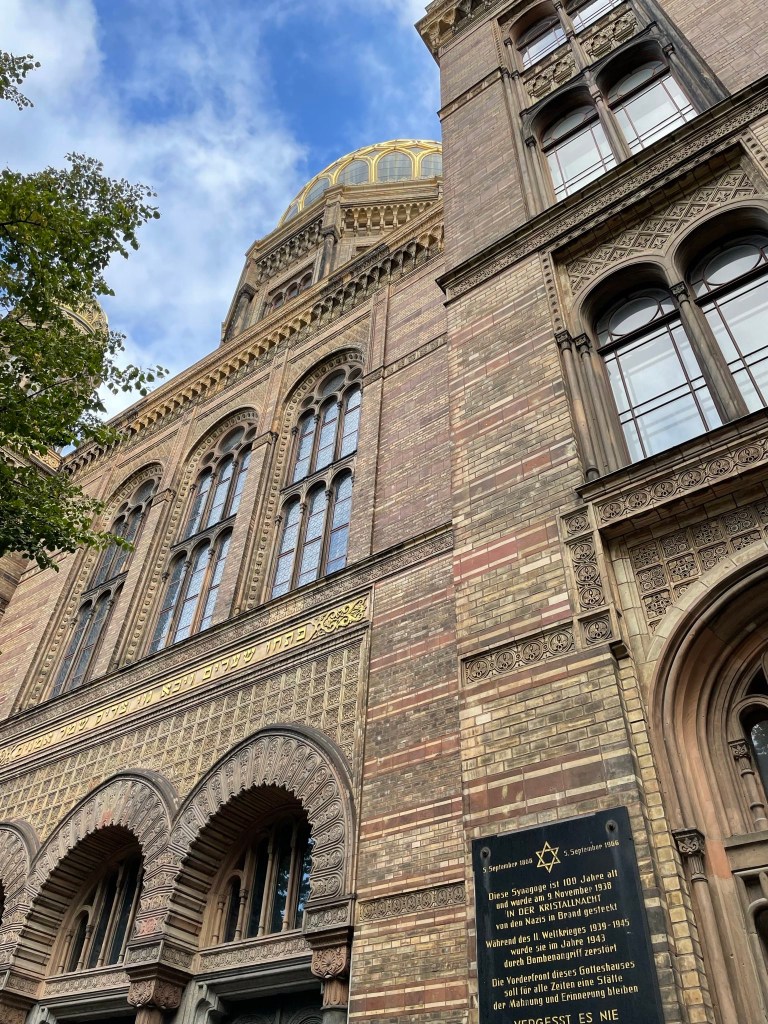
Today, a friend asked me how I hope to be changed in my studies after I return from my studying abroad. After thinking for a moment, I told her that I hope that I feel a lot smaller afterwards. By this, I meant that I more readily realize in my day-to-day life that I am, on the grand stage of humanity and earth, hardly a player. I want to remember daily that the most powerful thing I can do here is to learn about the big things. Humility and teachability are two virtues I hope to foster in myself during my time away.
Every religion in the world strives to remind its practitioners of something bigger than themselves. However, they employ different metaphors and opinions to do this.
How do remind yourself that you’re small? And what big things do you glory in?
Cathedral
“A cathedral is the seat of the bishop and a centre of worship and mission. The primary purpose of a cathedral is to be a place of Christian worship but it is also often the oldest building in continuous use in its surrounding area and of significance to the heritage, culture and community life of the area it serves.”
“What is a cathedral?” The Association of English Cathedrals. (https://www.englishcathedrals.co.uk/about-us/)
Islam
The largest and fastest growing world religion. “Islam” means “peace, purity, submission and obedience to the will of Almighty God.” Founded by Allah through the prophet Muhammad (PBUH). Beliefs include the complete power of Allah, the callings of prophets and messengers, and the importance of reading from the Qur’an. Religious efforts to uphold the Five Pillars of Islam.
“What is Islam?” Muslim Unity Center. (https://muslimunitycenter.org/what-is-islam/)
The Five Pillars of Islam
The five primary obligations that every Muslim must fulfill during their life. Shahadah, Salah, Zakat, Sawm, and Hajj. In English, they are as follows: profession of faith, prayer, almsgiving, fasting, and pilgrimage.
“The Five Pillars of Islam.” The Embassy of The Kingdom of Saudi Arabia. (https://www.saudiembassy.net/five-pillars-islam)
Zakat
The third of the Five Pillars of Islam. Almsgiving. “Social responsibility is considered part of one’s service to God; the obligatory act of zakat enshrines this duty. Zakat prescribes payment of fixed proportions of a Muslim’s possessions for the welfare of the entire community and in particular for its neediest members. It is equal to 2.5 percent of an individual’s total net worth, excluding obligations and family expenses.”
“The Five Pillars of Islam.” The Embassy of The Kingdom of Saudi Arabia. (https://www.saudiembassy.net/five-pillars-islam)
 Hallow
Leave a comment