
Give evil nothing to oppose and it will disappear by itself.
Lao Tzu, Tao Te Ching
Many people I speak to about spirituality will tell me that they feel most in tune with the divine while in nature. This makes sense, as many religious traditions view the divine as either creator of or co-creation with the natural world.
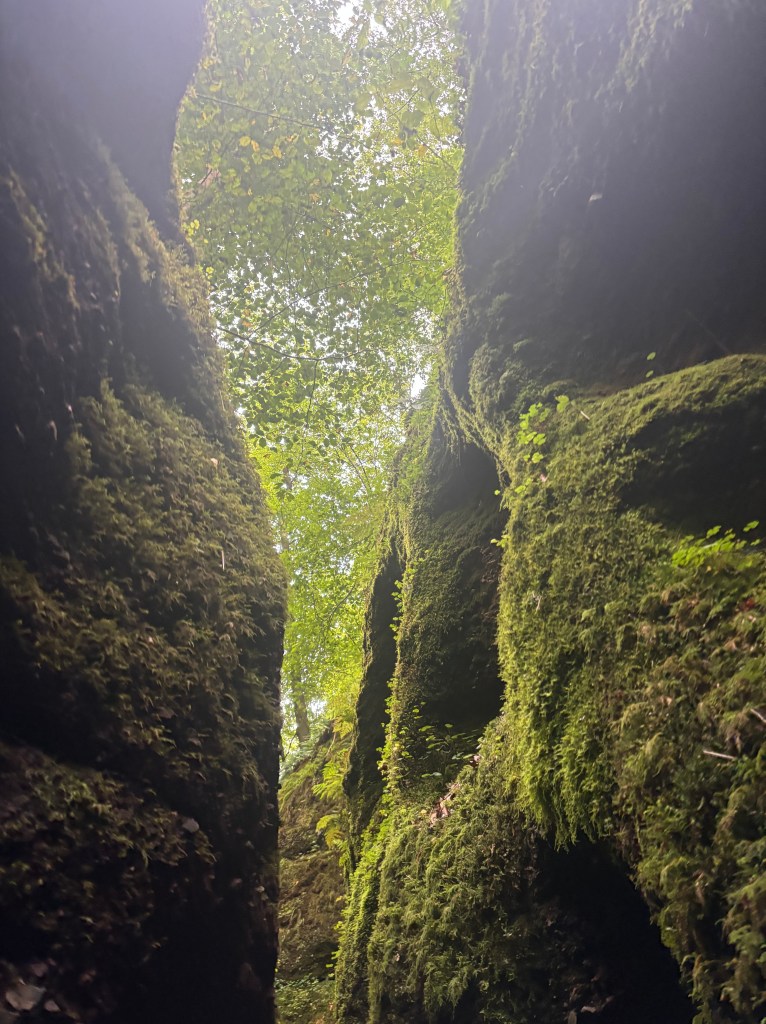
It’s difficult to find a belief system as focused on natural order as Daoism. I’ve found myself reflecting on this belief system again and again these past few days as I’ve walked through mossy forests, listened to water fall, and reveled in the afternoon sun.
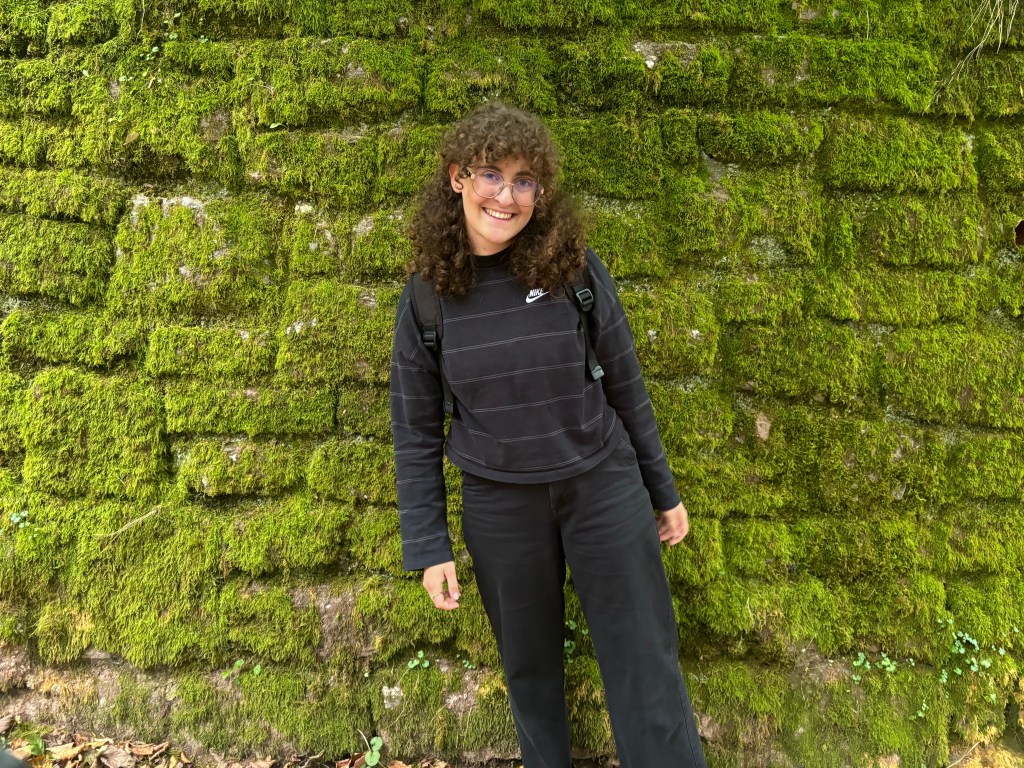
A possible, more obvious title of this religion would be “The Way.” In Daoism, the Dao, meaning “the way” or “the path,” is the natural way of things. It’s the way water always moves in a river. The water follows the Dao.
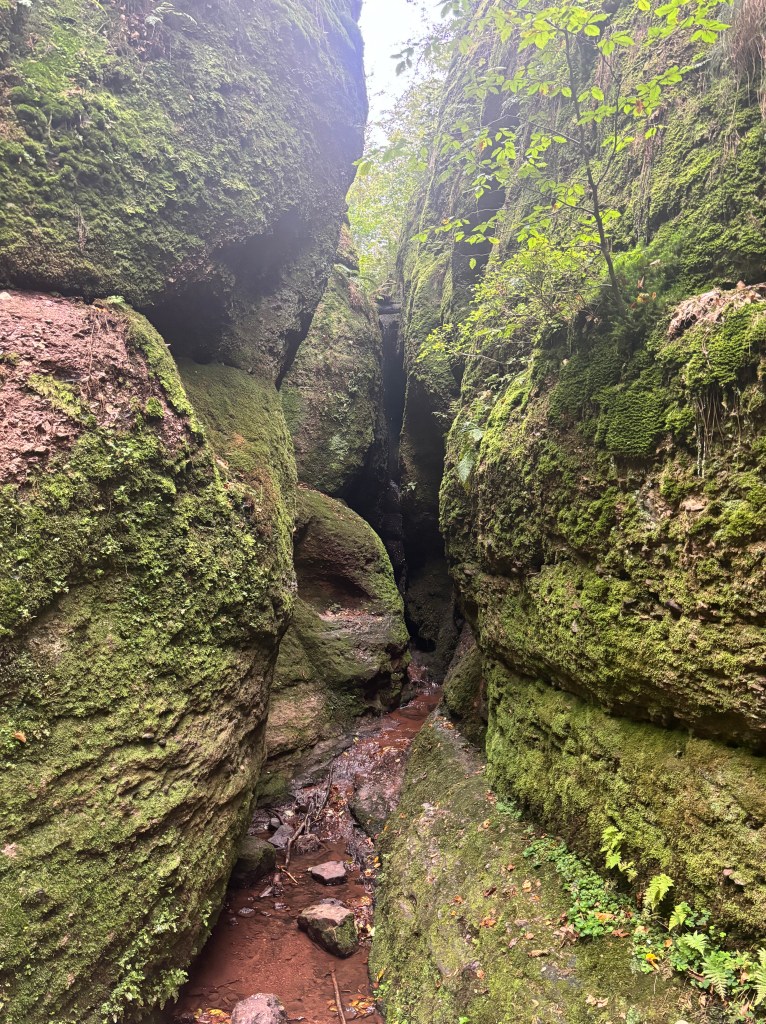
Daoism believes that human activity and society are generally against the Dao. For example, social structure of honoring those older than you and striving for upward mobility in your company might be activities that work against the Dao. This tradition encourages instead to let these things go, and allow ourselves to align with the natural way of the world.
Obstacles will beset us, but like water blocked by a rock, we must flow around it rather than violently oppose it.

For so many people, the natural is the divine. What’s keeping us from following this natural way? Will we come closer to the divine by following the Dao?
Lao Tzu
Laozi or Lao Tzu. Considered to be the founder of Daoism. Thought to be an Axial scholar, living around the sixth century B.C. “Laozi served as a keeper of archival records at the court…[He witnessed the decline of his area then departed.] When he reached the northwest border then separating China from the outside world, he…[was asked] to put his teachings into writing. The result was a book consisting of some five thousand Chinese characters [the Tao Te Ching], divided into two parts, which discusses ‘the meaning of Dao and virtue.’ Thereafter, Laozi left; no one knew where he had gone.”
“Laozi.” Stanford Encyclopedia of Philosophy. (https://plato.stanford.edu/entries/laozi/)
Tao Te Ching
Scripture of Daoism. Believed to have been written by Lao Tzu during the sixth century B.C. in China. Written in many different forms (i.e. Daodeching, etc.), but all refer to the same book. Teaches how to live in accordance with the Dao.
“Tao-te Ching.” Britannica. (https://www.britannica.com/topic/Tao-te-Ching)
Daoism
The Dao is “the way,” meaning the natural order of things. Teaches that we, as well as all other things, should follow the Dao. Denying assertive behavior and going with the natural path. “Their solution to the problem of how human beings should behave is expressed in the typically Daoist doctrine of wu-wei or non-action. This did not mean doing absolutely nothing but doing nothing unnatural, nothing that was out of keeping with the Dao.” Thought to be founded by Laozi/Lao Tzu in the sixth century B.C. in China. Major sects are Philosophical and Religious Daoism.
“Introduction to Daoism.” Weatherhead East Asian Institute, Columbia University. (https://afe.easia.columbia.edu/special/china_1000bce_daoism.htm)
 Hallow
Leave a comment