
“Shana tova!”
Traditional celebratory greeting on Rosh Hashanah
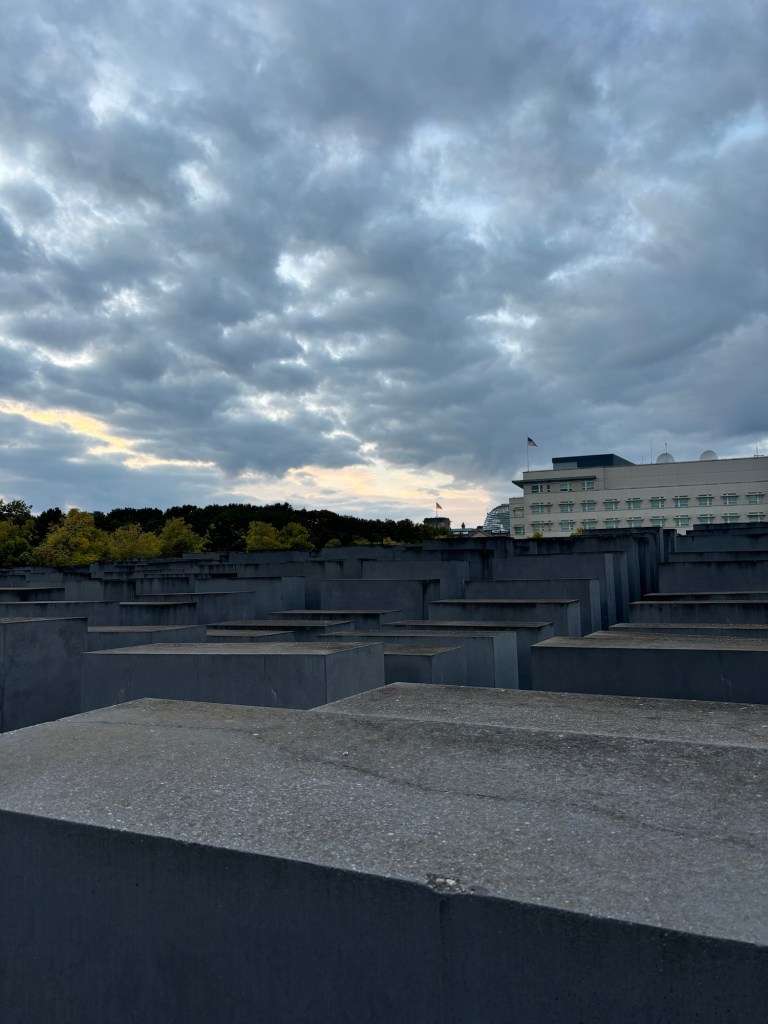
The history of the Jewish people has always been marked with hardship. As the light in the ever darkening world, it follows that the darkness would do anything to snuff out the gleam of G-d’s covenant people. Many monuments, such as the one pictured below, have been erected as commemorations of Judaism’s hardest moments.
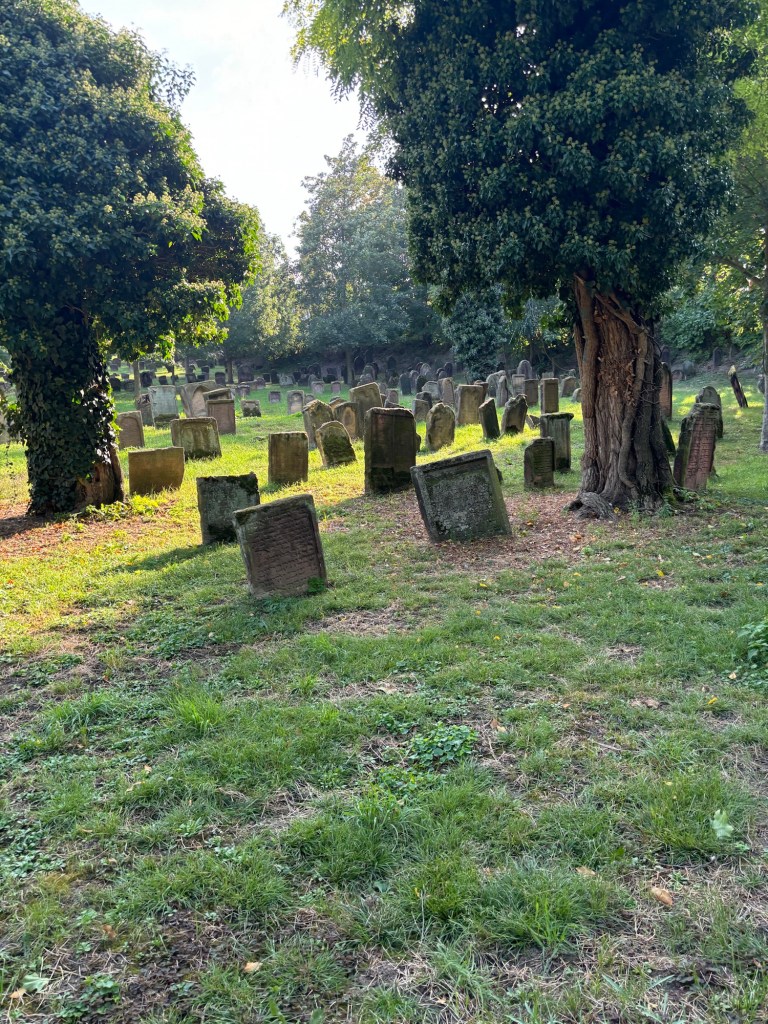
Despite their suffering, Jews have always made an effort to lift the communities they belong to. This can be seen in the Jewish Cemetery in Worms, Germany, which dates back to medieval times. When looking over the graves, it’s impactful to see how many faithful people devoted time to others, hoping to lift G-d’s whole creation.
As the sun set in Italy on October 2, 2024, Rosh Hashanah began. Meaning “the head of the year,” this holiday celebrates the beginning of the Jewish New Year. As the beginning of the High Holy Days, Rosh Hashanah is a time for repentance, seeking for the best in the coming year.
One custom of Rosh Hashanah is listening to the shofar (a horn made from the horn of a sheep or goat) being blown. As Dr. Dollahite told our group today, this functions much like a spiritual “alarm clock,” waking our souls up from complacency and calling us to renewed faith.
Judaism isn’t a perfect religion today; it’s never claimed that. No religion is perfect, simply because practitioners are never perfect. But I think it’s beautiful that Jews view Rosh Hashanah as a time to reevaluate and try to do a bit better than they did the previous year.
To me, this teaches me that it is divine to change. Rosh Hashanah affirms that G-d wants us to progress.
How have you progressed spiritually throughout your life? What’s one way you could improve?
Rosh Hashanah
“The name ‘Rosh Hashanah’ means, literally, ‘head of the year’ or ‘first of the year.’ Rosh Hashanah is commonly known as the Jewish New Year…On Rosh Hashanah, we renew the crowning of G-d as sovereign of time and space (melekh ha-olam) and renew our relationship with Him with celebration and blasts of the shofar (a ram’s horn trumpet)…No work is permitted on Rosh Hashanah. Much of the day is spent in synagogue, where the regular daily liturgy is somewhat expanded…Another popular observance during this holiday is eating apples dipped in honey, a symbol of our wish for a sweet new year.”
“Rosh Hashanah.” Judaism 101. (https://www.jewfaq.org/rosh_hashanah)
 Hallow
Leave a comment