
For where two or three are gathered together in my name, there am I in the midst of them.
Matthew 18:20, KJV
During my time in Türkiye, I got to visit the archeological site of Ephesus. Now, I’ve seen a lot of archeological sites in my few years, and sometimes it’s hard to keep looking at pots and piles of rocks, but Ephesus was very exciting to me.
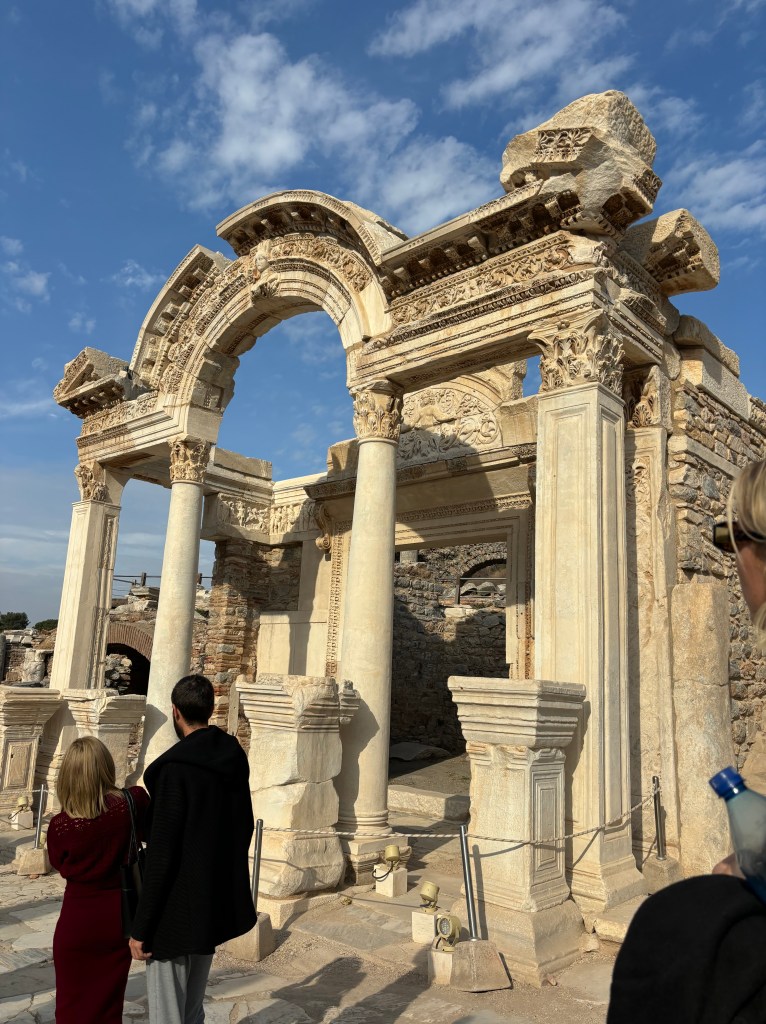
In ancient times, Ephesus was one of the world’s most important cities. Though it wasn’t enormous, it was close to the ocean, so its port was crucial in helping the empire function. Additionally, it was the home of one of the largest stores of knowledge during the time, second only to the Library of Alexandria. This city also housed one of the wonders of the ancient world: the Temple of Artemis.
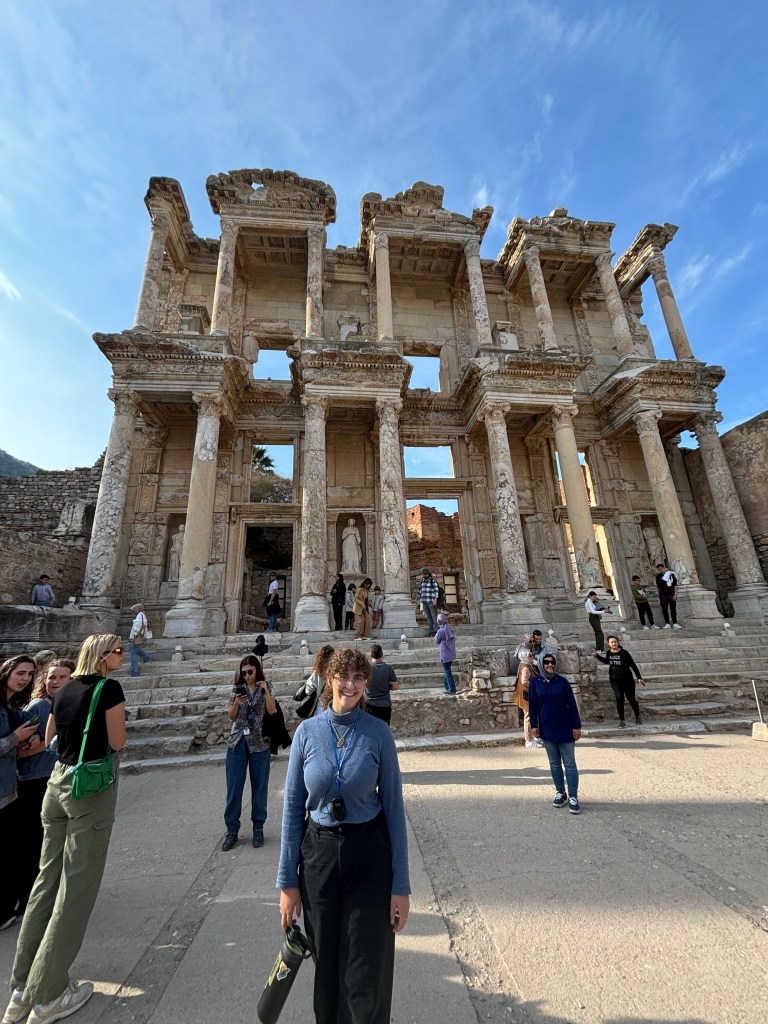
Aside from its import in Greek and Roman times, this city was also key in early Christian history. During the early years of the Christian church, there was more than a fair share of theological disagreements. Many of these disagreements turned into fights, violently harming and killing Christians and others who didn’t agree with a certain point of view. Major rifts in the church came during this time. Roman emperor Constantine saw a need for more unity in his empire, so he set up the first ecumenical council, a tradition that would greatly shape Christianity today.
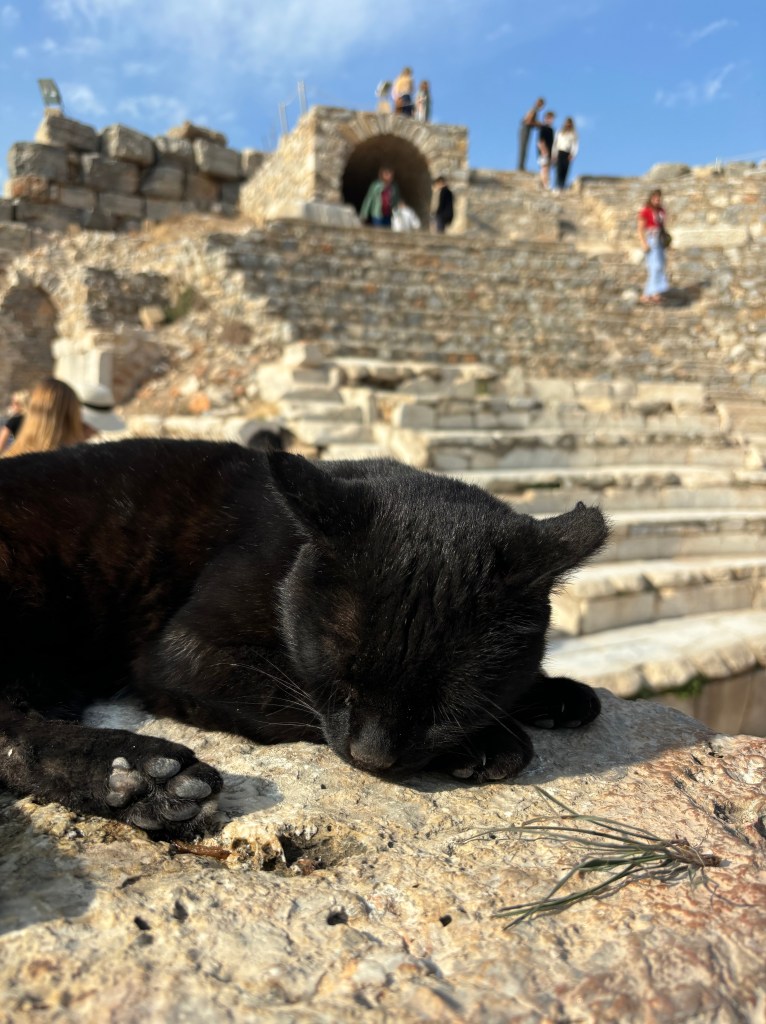
One of these councils was held in Ephesus in was held in the year 431 CE. It was cleverly named the Council of Ephesus. This council sought to end a controversy started by the Bishop of Constantinople, Nestorios. When referring to Mary, the mother of Jesus Christ, this bishop referred to her as Christokos, meaning “Christ bearer.” Many became angry at his teachings insisting that she be called Theotokos, or “God bearer.” The question was essentially in how the divinity of Christ met with the humanity of Christ. This may seem less significant a question to us today, but this was causing large scale rioting across the Roman Empire, as well as hatred within the Christian church. So, a council was called.
My aim isn’t to focus on the nitty gritty of all these councils, but rather, why an ecumenical council? Most of Christianity would agree that Christ’s Gospel alone is perfect, so abiding by any other precept is wrong. But a council is a decision of a group of people. Why should we listen to them?
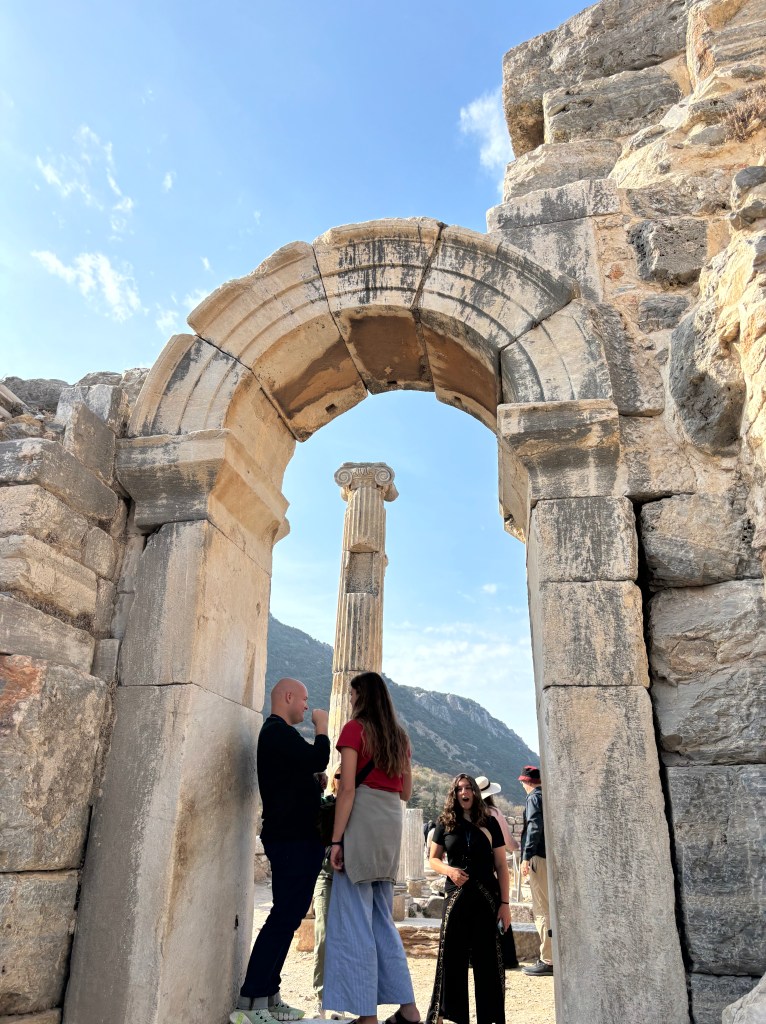
A Greek professor explained this idea to me and other students in a profound way. He said that when those who are devoted to Christ and His teachings unite in seeking truth, they will receive it. Even though these councils were first started by an emperor that didn’t want his subjects killing each other, it became much more than that. It became a meeting of the faithful, desiring to receive knowledge from above in order to worship in the best way possible.
The history of ecumenical councils is rocky. I won’t claim that I know everything about them, nor will I share speculation on their outcomes. But I do think that meeting with other believers to figure out how to best approach the divine is a worthy pursuit.
How has counseling with others helped your spirituality?
KJV
The King James Version of the Christian Bible. Translation project funded and finished by King James VI of Scotland. Finished and published in 1611.
“The Story Behind the King James Bible.” The KJV Store. (https://www.thekjvstore.com/articles/the-story-behind-the-king-james-bible/)
Ecumenical Council
Large meeting of a Christian body to discuss and conclude matters of doctrine. Practiced in the ancient church, as well as in Catholicism and Orthodoxy today.
“A History of Byzantium.” Timothy E. Gregory.
Council of Ephesus
Ecumenical council of the early Christian church. Held in 431 CE. Strove to resolve the Nestorian Controversy of whether Mary was Christokos or Theotokos. The council was essentially under the control of Cyril, the Bishop of Alexandria. Nestorios, the Bishop of Constantinople was condemned and sent into exile. It was a victory for the Alexandrian school of theology. Roman Emperor Theodosios II was against how it turned out, but he came to accept it. Nestorios’ followers didn’t change their beliefs, however, and eventually would regain power.
“A History of Byzantium.” Timothy E. Gregory.
Mary
The mother of Jesus Christ. Revered by many Christian branches and sects as divine. Took part in many events in the New Testament (i.e. Annunciation, Magnificat, Nativity, Miracle of the Wedding at Cana, the Crucifixion, etc). Her role was foretold by prophets in the Old Testament. Catholics have canonized her as a saint; many consider her the greatest of the saints. Catholics believe that she was born of a virgin mother. Worship and theology devoted to her is categorized as “Marian.”
“Who Was Mother Mary?” Christianity.com. (https://www.christianity.com/wiki/holidays/who-was-mary-the-mother-of-jesus.html#google_vignette)
Jesus Christ
Founder and leader of all Christianity. Believed to be the Son of God. Born in Bethlehem around 6-4 BCE. Son of the Virgin Mary. Died around 30 BCE in Jerusalem. The New Testament focuses on Him and His Gospel (meaning His teachings). Teachings focus on honoring God, loving others, the kingdom of God, etc. Performed many miracles. Was captured by the Jews and crucified by the Romans. Believed to have resurrected three days after His death.
“Jesus.” Britannica. (https://www.britannica.com/biography/Jesus/The-relation-of-Jesus-teaching-to-the-Jewish-law)
Christokos
Theological term. Means “Christ bearer.” Belief that Mary bore Christ, but not God Himself.
“A History of Byzantium.” Timothy E. Gregory
Theotokos
Theological term. Means “God bearer.” Belief that Mary bore God Himself.
“A History of Byzantium.” Timothy E. Gregory
 Hallow
Leave a comment