
Words do not express thoughts very well; every thing immediately becomes a little different, a little distorted, a little foolish. And yet it also pleases me and seems right that what is of value and wisdom of one man seems nonsense to another.
Siddhartha Gautama
Around the time of his birth, it was foretold that Siddhartha Gautama would either become a great ruler or a great buddha. In an effort to make his son powerful in the eyes of the world, Siddhartha’s royal father kept him away from the cruelty of the world (the prophecy said that Siddhartha’s buddha nature would only emerge after seeing suffering). Despite the efforts, Siddhartha would end up seeing the awfulness of the world and leaving his family to live as a monastic. When that lifestyle didn’t provide the answers he sought, the young prince sat underneath a bodhi tree and swore not to leave until he had obtained enlightenment. Eight days later, Siddhartha left the bodhi tree as the Buddha.
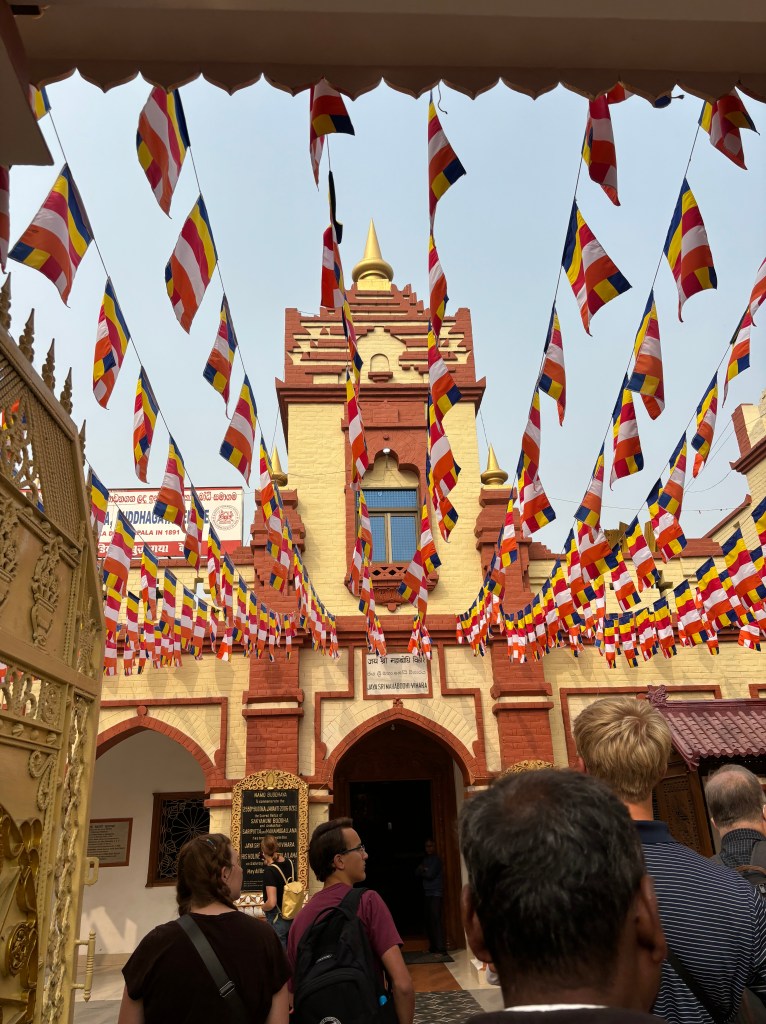
The bodhi tree that Siddhartha sat under is located in Bodh Gaya, India. Though hardly any of the world’s Buddhists live in India, this city is still an axis mundi for every Buddhist sect. This can be seen in the huge amounts of pilgrims that visit the site daily, to see the tree where Siddhartha became the Buddha, as well as the temple where the Buddha can be honored.
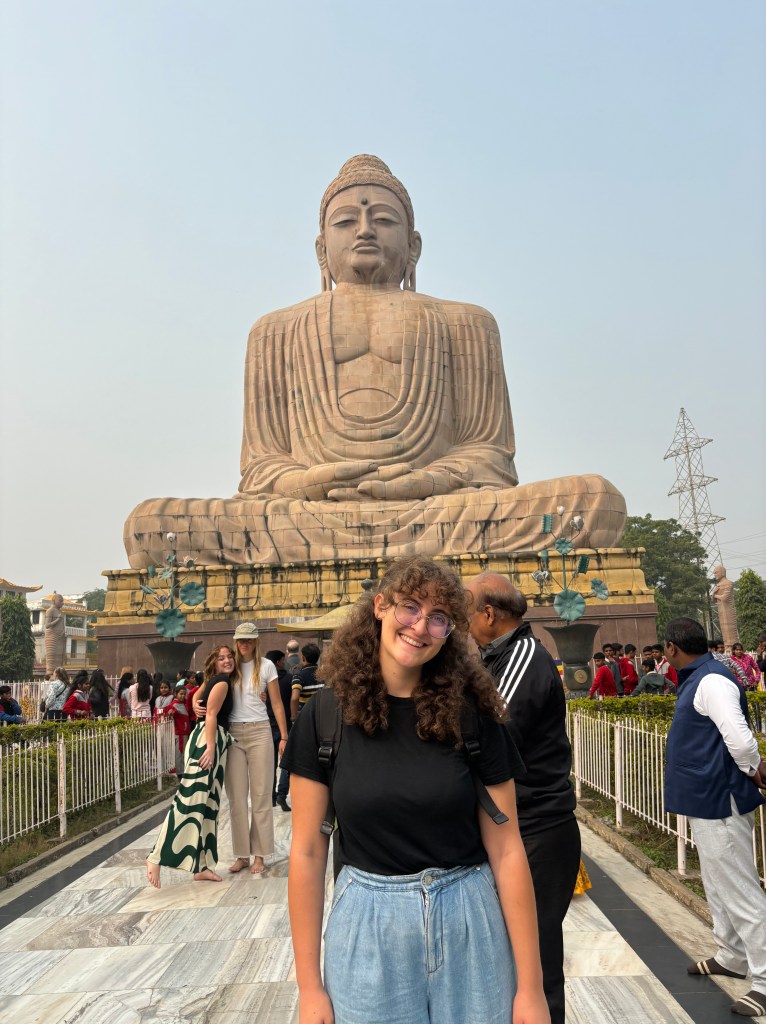
Other buildings in Bodh Gaya also testify of the importance of this location to so many people around the world. There are several different monasteries and temples scattered throughout the town, each of which is sponsored by a different Buddhist country. Even though I was in India, I walked through Chinese, Bhutanese, Nepalese, and Japanese architecture, to mention a few.
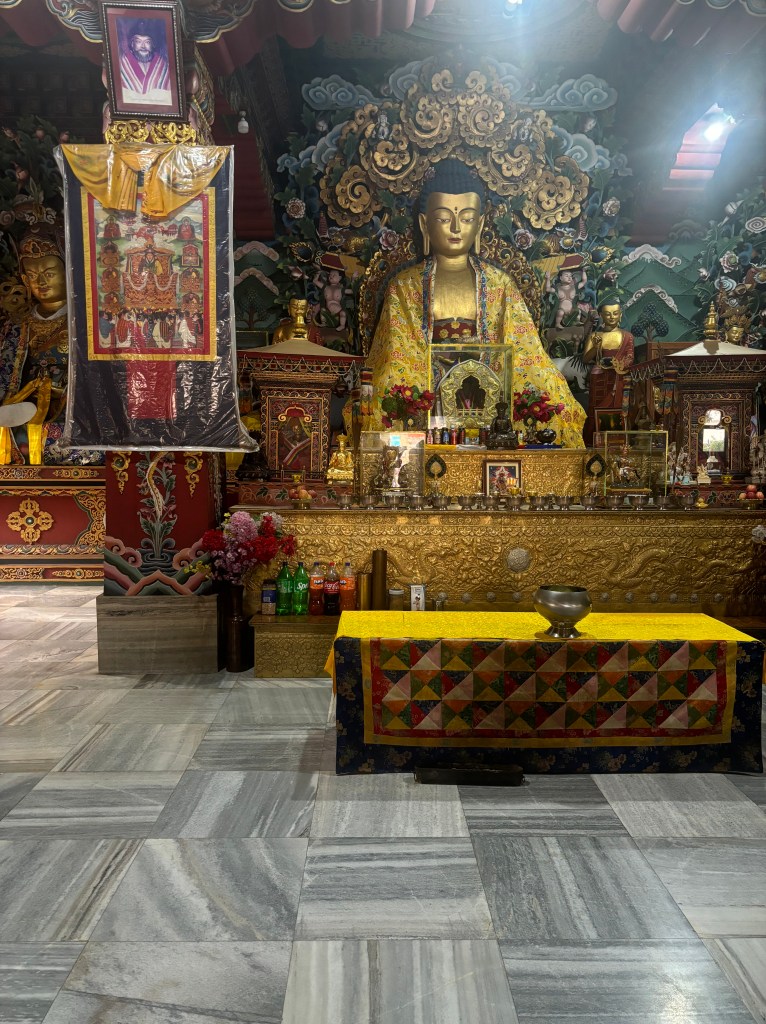
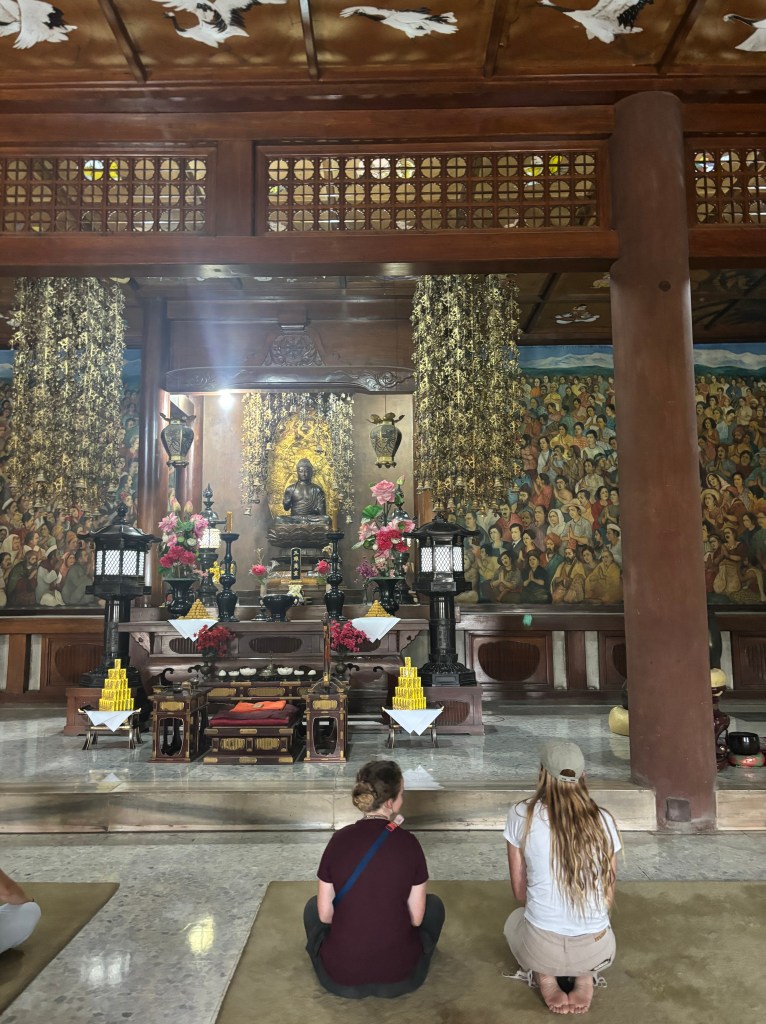
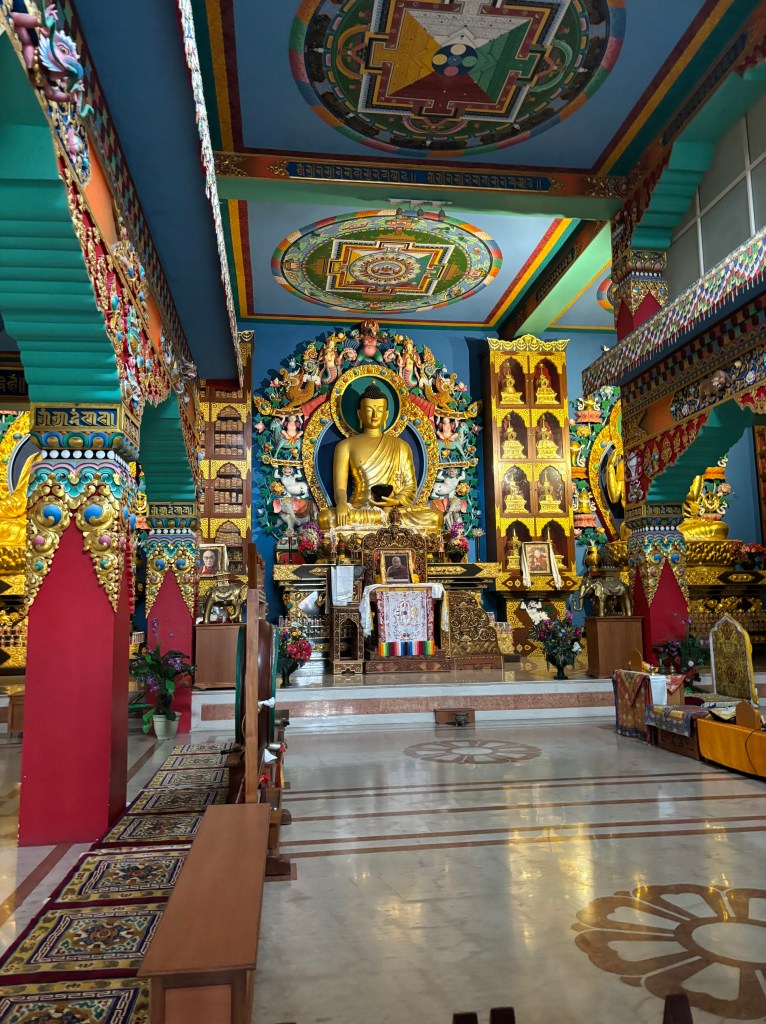
It inspired me to see all of these different temples in the same location. These countries don’t always get along, and their forms of Buddhism even vary greatly. But they all come together to proclaim this as a holy place, not by detracting from one another, but by building alongside them.
Of course, separation is necessary between religions, as beliefs do vary. But being here made me wonder what I could do to more peacefully belong in my own interfaith community.
What do you do to promote belonging in your community?
Siddhartha Gautama
Circa 563-483 BCE. Founder of Buddhism. Believed to be a Hindu prince who ended up becoming an enlightened Buddha. “When he was born, it was prophesied that he would become a great king or spiritual leader and his father, hoping for the former, hid his son away from anything that might be distressing…Siddhartha lived among the luxuries of the palace, was married, had a son, and lacked for nothing as the heir-apparent of his father until his experience with the Four Signs [aged man, sick man, dead man, ascetic].” Chose to live as an ascetic, then determined that wasn’t the way to enlightenment either. Taught the Four Noble Truths and the Eightfold Path.
“Siddhartha Gautama.” World History Encyclopedia. (https://www.worldhistory.org/Siddhartha_Gautama/)
Buddha
Means “enlightened one.” Sometimes, but not always, used to refer to Siddhartha Gautama specifically.
“Buddha Definition & Meaning.” Merriam-Webster. (https://www.merriam-webster.com/dictionary/Buddha)
Monastic
“…of or relating to monasteries or to monks or nuns; resembling (as in seclusion or ascetic simplicity) life in a monastery.”
“Monastic Definition & Meaning.” Merriam-Webster. (https://www.merriam-webster.com/dictionary/monastic)
Bodh Gaya
Village in India. Believed to be the location where Siddhartha Gautama sat underneath a bodhi tree, was enlightened, and became the Buddha.
“Siddhartha Gautama.” World History Encyclopedia. (https://www.worldhistory.org/Siddhartha_Gautama/)
Axis Mundi
Latin phrase meaning “world axis.” Usually refers to the connection between heaven and earth in religious settings.
“Axis Mundi.” MAP Academy. (mapacademy.io/glossary/axis-mundi/#:~:text=A%20Latin%20phrase%20meaning%20“world,Pre%2DModern%20Art)
 Hallow
Leave a comment