
From my rotting body, flowers shall grow and I am in them and that is eternity.
Edvard Munch
Every culture has a unique way of remembering their dearly departed. They range from long to short, simple to complex, unimportant to necessary. You’re probably aware of the funeral practices of your own culture; mine involves dressing the body in nice clothing and a brief religious remembrance ceremony before burial/cremation. Others involve public cremation, passing bones with chopsticks, sitting shiva, or allowing vultures to pick the flesh off the bodies.
We see human death ritual appear throughout a majority of times and places. Some of the most fascinating of these practices are those so ancient that they cannot be explained with accessible primary sources. Archeologists, Egyptologists, art historians, anthropologists and professionals in many differing fields all seek the answers to these practices surrounding death, mysterious due to the space of time. One example of these unexplainable rituals are haniwas, found in Japan.
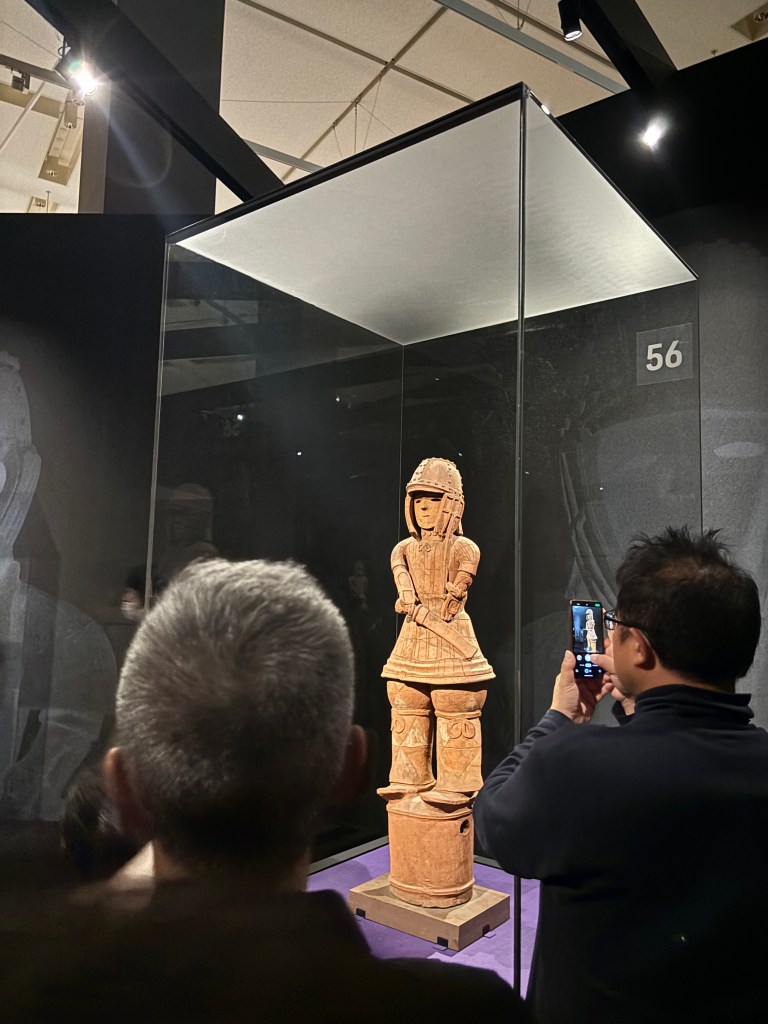
Bear with me through my explanations here. I think the facts I share will be accurate, but the museums were mostly in Japanese, which I unfortunately do not speak.
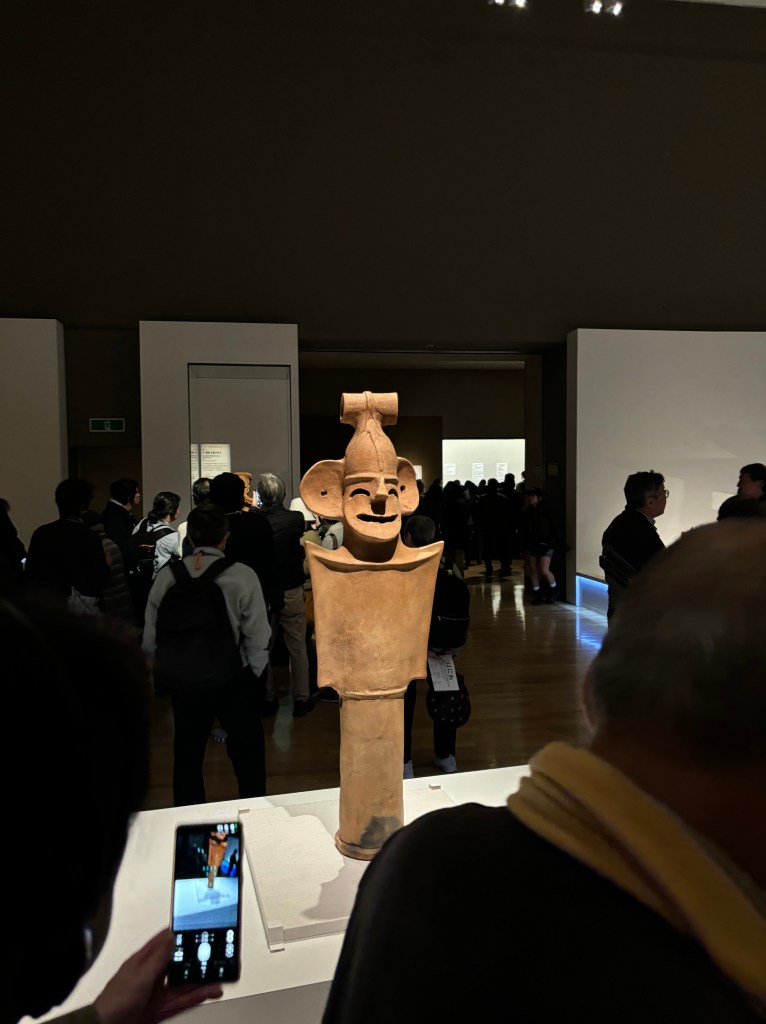
Haniwas are statues found in ancient burial grounds around Japan. You can usually tell if it is a haniwa based on the earthenware material it’s made out of, as well as its mere proximity to a burial mound. But that’s about where the rules of the haniwa stop. Some are as simple as a cylinder with holes poked out of it, while others depict animals and humans. They’re usually pretty stylistic, but clearly resemble actual forms. At the Tokyo National Museum, there was recently a large exhibit of haniwas, and I was thankfully able to walk through before the exhibit closed.
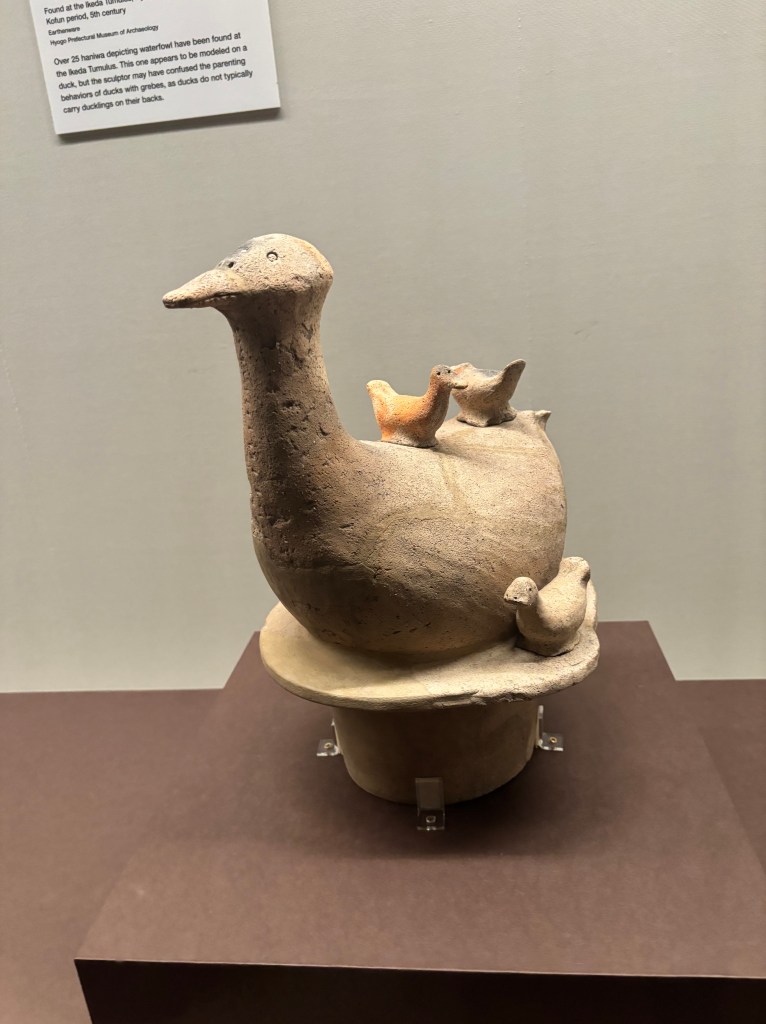
We don’t know the true purpose of these statues, but they were obviously important and used often by prehistoric Japanese peoples. Today, they are a clue to previous civilizations’ perceptions of the world, perhaps even a key into their spiritual lives.
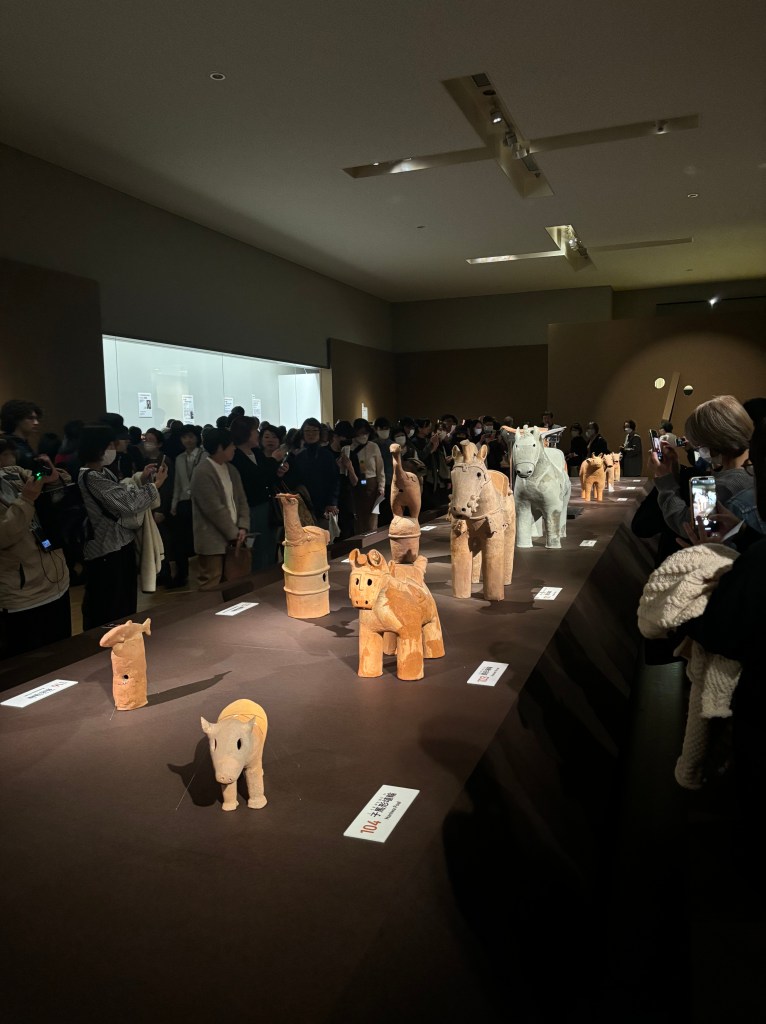
Seeing these funny statues made me think about what our “haniwas” today are. What are the small symbols and things that mark the turning points in my life? What things will mark my death? What will last? And what will people think of me when those things are found?
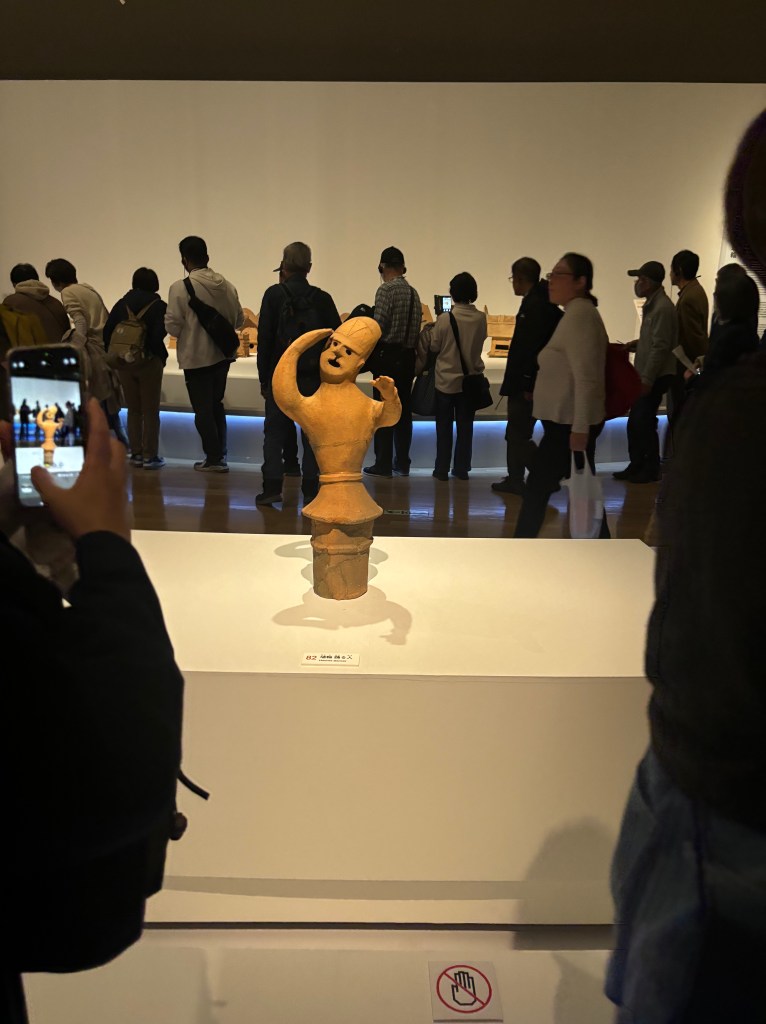
I hope to live in a way that can make my beliefs clear to those who come after me. Despite my lack of knowledge, it was clear as I was walking through the exhibit that these people had a great respect for nature and community; if not, these statues would have been much different. Will people assume similar things about me in generations to come?
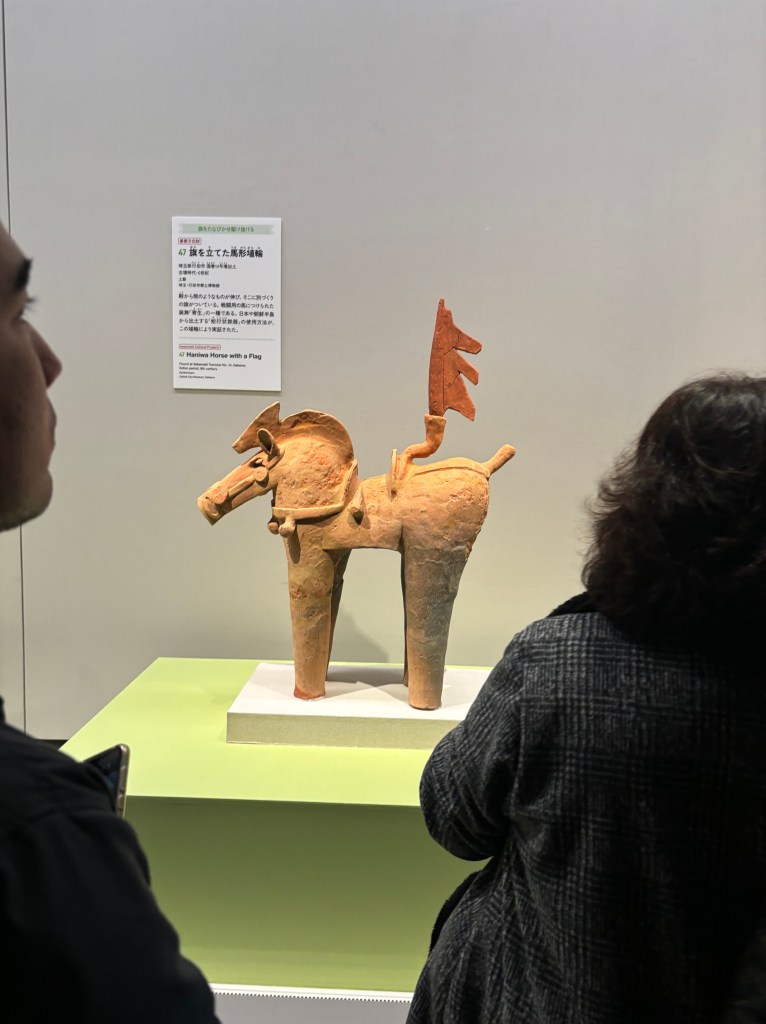
What should a person leave behind as a mark of their spirituality? Is it important to do something like that?
 Hallow
Leave a comment